
Welcome to Wiggaton church
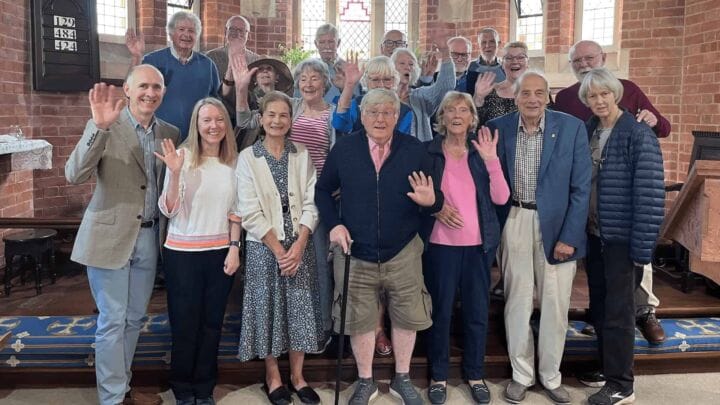
Wiggaton is a very friendly and welcoming church community. We usually number 15 – 18 on a Sunday morning and 4 or 5 for Morning Prayer on Thursdays. We hold 2 Sunday services a month, alternating between 2 services of Holy Communion and 1 service of Holy Communion and 1 service of Morning Prayer.
The building also seeks to be a house of joy (as well of prayer) by effectively serving as a Community Centre with regular village meals, concerts, coffee mornings, and the (in)famous Christmas Dinner.
General information
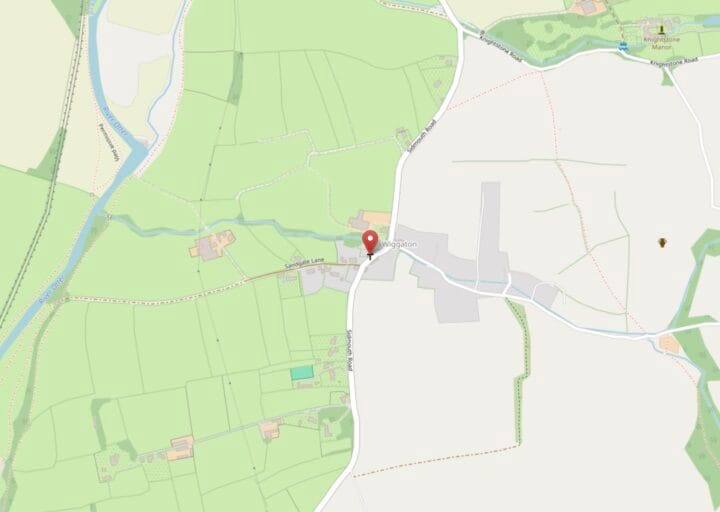
Address
Sidmouth Road
Wiggaton
EX11 1PX
What three words
coiling.tweezers.burn
Latitude/longitude
50.7354740/-3.2759270
Nearest defibrillator
Not available
Church accessibility
Church buildings are not always the most accessible. Where possible we have made changes to make them more user-friendly but there are some limitations that we are not able to work round.
Open for services only
No parking
No toilet
Not wheelchair friendly
No hearing loop
Church history
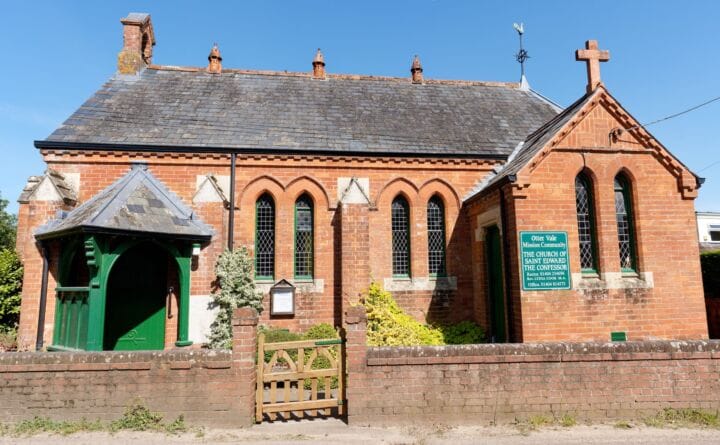
There was no Church at Wiggaton until 1893, and services were held in the Schoolroom. Although this room could accommodate as many as fifty people, by 1892 the congregation had increased to such an extent that it was no longer possible to take all who wished to worship together. It was clearly a case of either having to enlarge the Schoolroom, or building a Chapel.
A meeting was accordingly held in the Schoolroom on May 25th 1892 chaired by the Rev. Maitland Kelly, when it was resolved to commit to the building project; and a Committee was elected to raise the estimated sum of £300. The site was donated by Mr Berry.
On November 10th 1892 the Corner Stone was laid by William Rennell Coleridge of Salston.
The opening service was held on 8th March 1893, with an amazing congregation of 160. The Vicar led the Service and the sermon was preached by the Bishop of Exeter Edward Bickersteth on the text from Isaiah “I will make them joyful in my House of Prayer”.
St Edwards continues to uphold its initial ethos of self sufficiency, thanks to the generous donations of time and financial support from villagers.
For a more detailed history please visit the Historic England page.
Image gallery

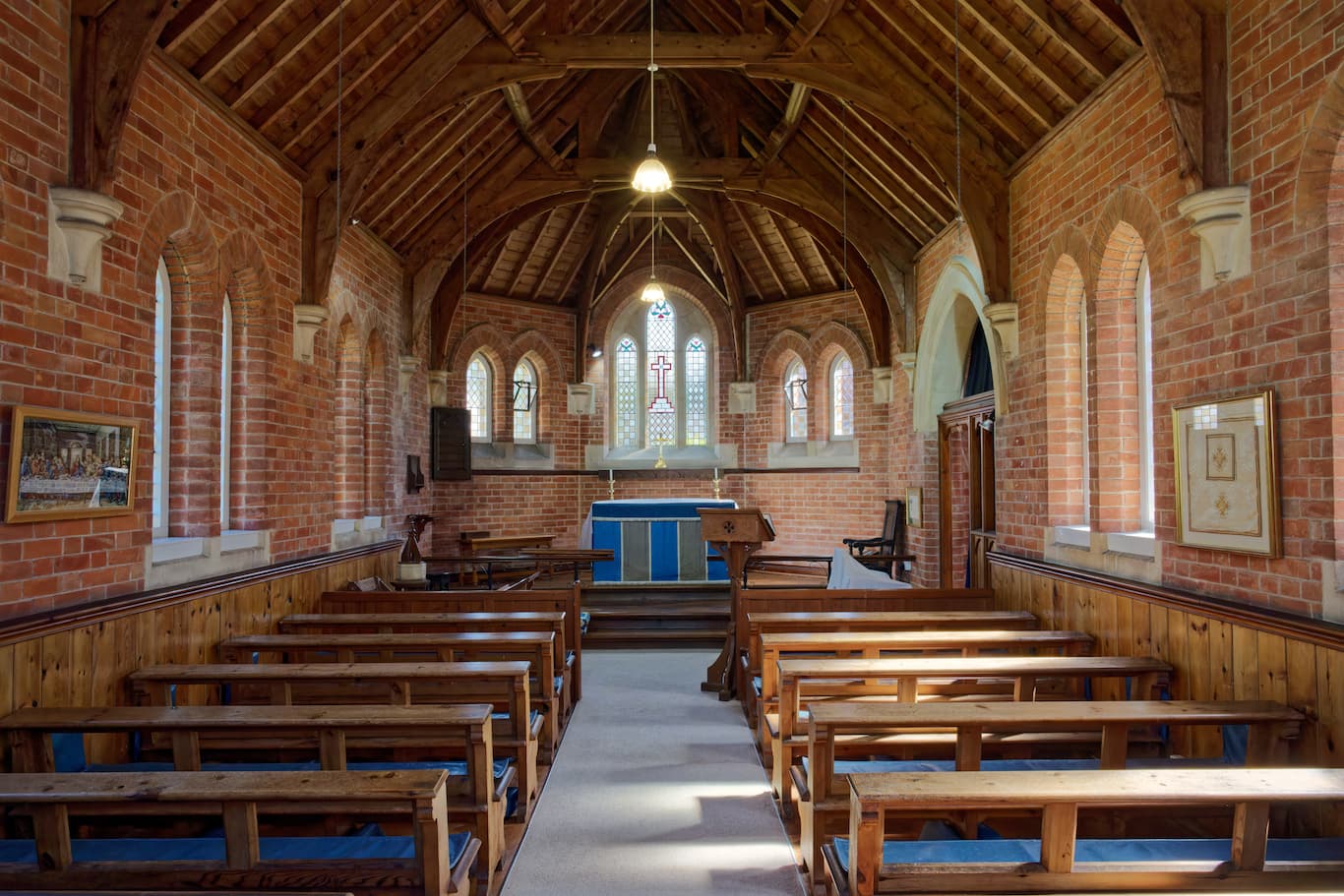
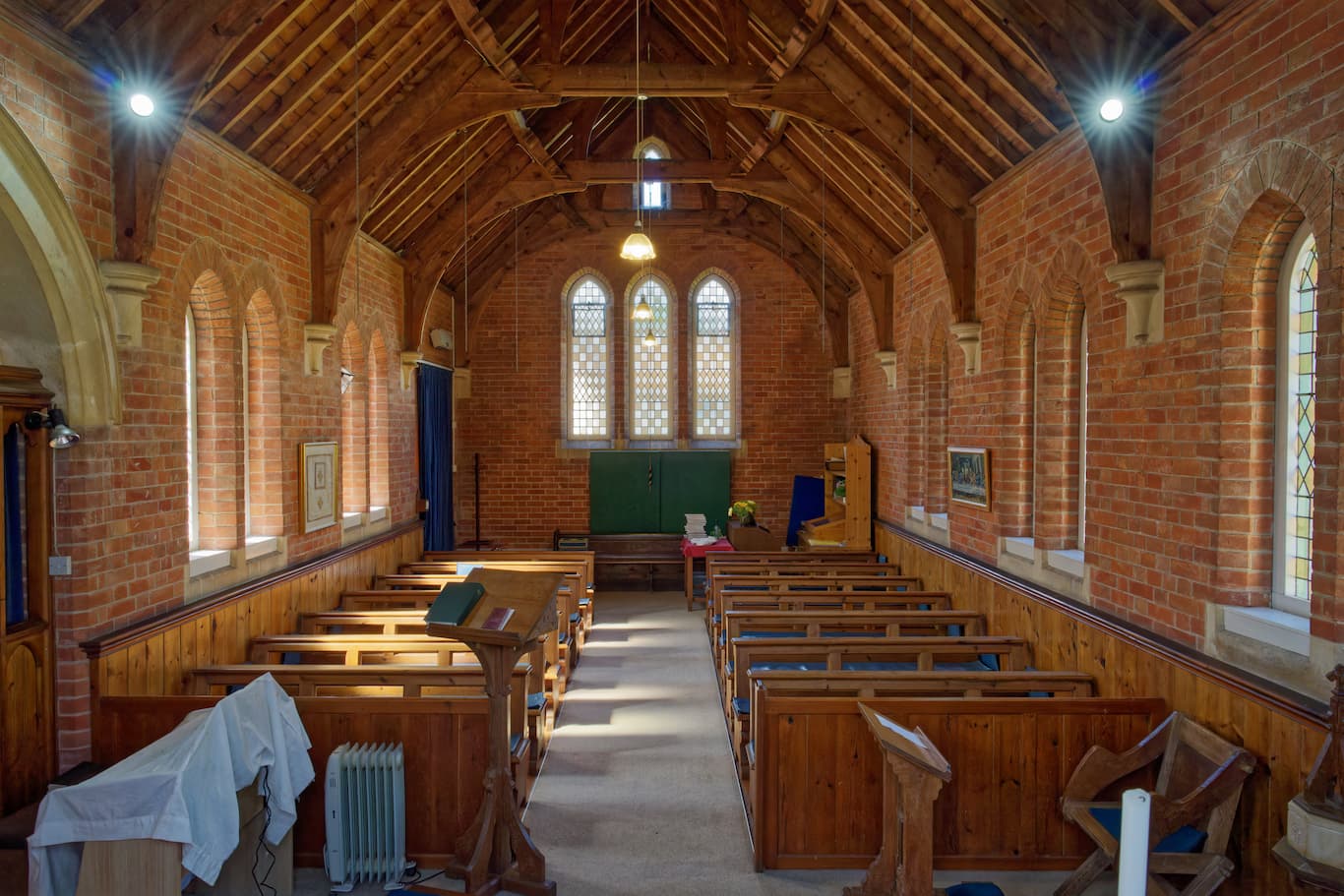
Looking towards the east end Looking towards the west end 
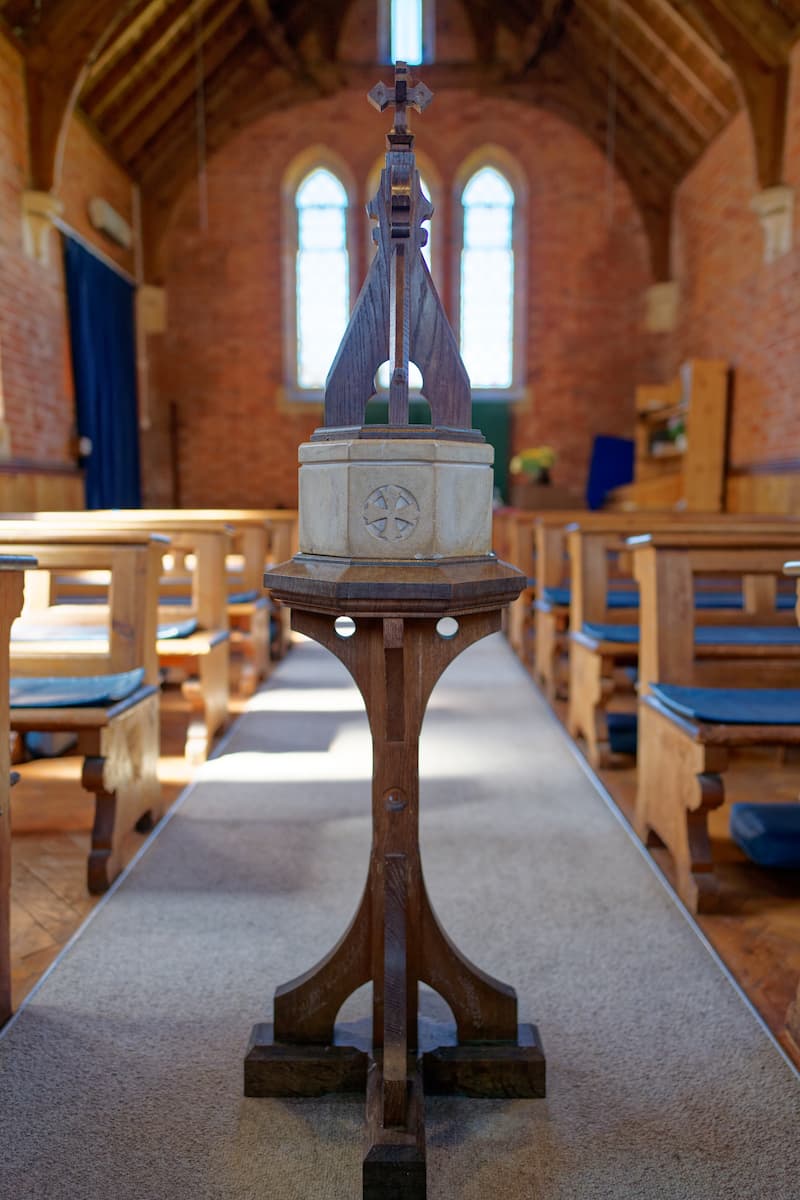
The font 
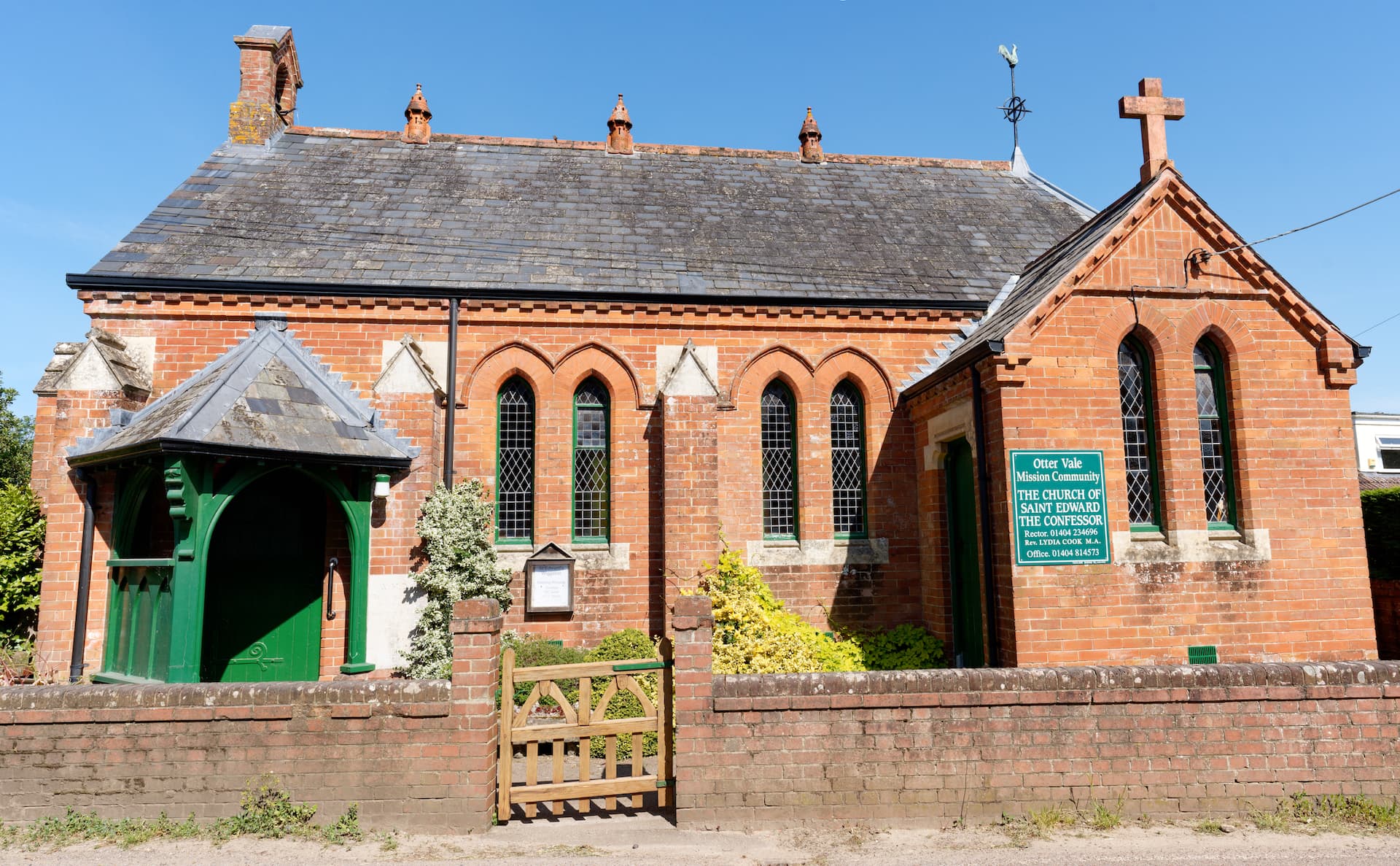
The south side